 |
|
|
| Review by: Danna Plewe |
6/01/01 |
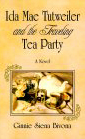 As I wipe the flour from my hands (Mum’s recipe for Scones page 120) and put the water on to boil, I sit back and wonder where I should start to write about Ginnie Siena Bivona’s novella Ida Mae Tutweiler and the Traveling Tea Party. I first read this story on the way back from the wedding of my dearest childhood friend, one of those fairy tale, lavender-and-lace, bagpipes-playing-outside-the-church-on-a-beautiful-summer-afternoon events. Although I cherished the opportunity to be present on her special day, as I rode back in the car, my thoughts were not on the dress or the flowers. What my mind kept going back to were the times that we spent together, the girl time, laughing about the past and talking about the future. It’s been twenty years since we first met in 7th grade, and though I’ve never taken the years for granted, as I read Bivona’s tale, I realized how truly valuable these memories are to me. Ida Mae Tutweiler and the Traveling Tea Party opens with Ida Mae preparing afternoon tea and awaiting the arrival of Jane (Potter) Tetley, TV star and childhood friend: To my way of thinking there’s simply nothing that smoothes away the sharp edges of the day quite like a nice hot cup of tea, served late in the afternoon, with a bit of a cookie or scone alongside. Scones are the best, of course, if you can find time to make them. Jane will be here in a few minutes. Dear old anything-but-plain Jane. She’s the only woman I’ve ever known who can hold her own with the boys and knows exactly how to hold a cup like a lady. And so begins the simple, yet touching tale of best friends, of husbands and lovers, of mothers and daughters, of girls and women, but most importantly, of growing up and letting go. Shocked to find out that her dear friend Jane is dying of breast cancer (a sickness that might have been prevented if Jane hadn’t purposefully ignored the early warning signs), Ida Mae struggles to accept the finality of the diagnosis and the prospect of life without Jane: Jane, oh Jane, how can I go on if you leave me? One thing I really liked about this work is the style in which Bivona pulls the past and present together. Starting out in the present and relating the last weeks of Jane's life, we also get the diary entries of a young Ida Mae from the beginning of their friendship through adulthood. In essence, we say hello to Jane as we say goodbye, making her departure at the end even more bittersweet and leaving the reader feeling as though they’ve lost a friend themselves. Ida Mae also touches on other events in her life: her mother’s death; her failed marriage; her hopes for her daughter; opening an local tea house complete with fancy hats and feather boas. Through it all, however, through the highs and lows, successes and failures, two constants have remained: Jane and afternoon tea. For Jane, this is how the story begins, so it is fitting, how it ends as well: "I hope to see her again someday. I have to believe I will. I put the crystal seagull on the table and together we have tea." Just one more thing to touch on. Though this is Bivona’s first novel, she is the author of two cookbooks and, in the tradition of Isabel Allende and Laura Esquvial, includes a selected few recipes for the perfect tea, from scones to ladyfingers to petite cucumber or radish sandwiches. Though I haven’t tried the Mock Duck or the Cinnamon Ice Cream, the scones do taste sweet still warm from the oven with a bit of jam and a nice cup of English Breakfast, though Ida Mae would prefer Earl Grey. Bivona writes in the Acknowledgements that "I know the joy of long-time friendships. My life is full and beautiful because of my beloved friends." I feel the same. When the day is done, and the books are tallied, what weighs the most are the constants, the "traveling tea parties," that we can count on and not just count. Ginnie Siena Bivona. Ida Mae Tutweiler and the Traveling Tea Party. Authorlink Press, 2000. |
|
|
|
|
|